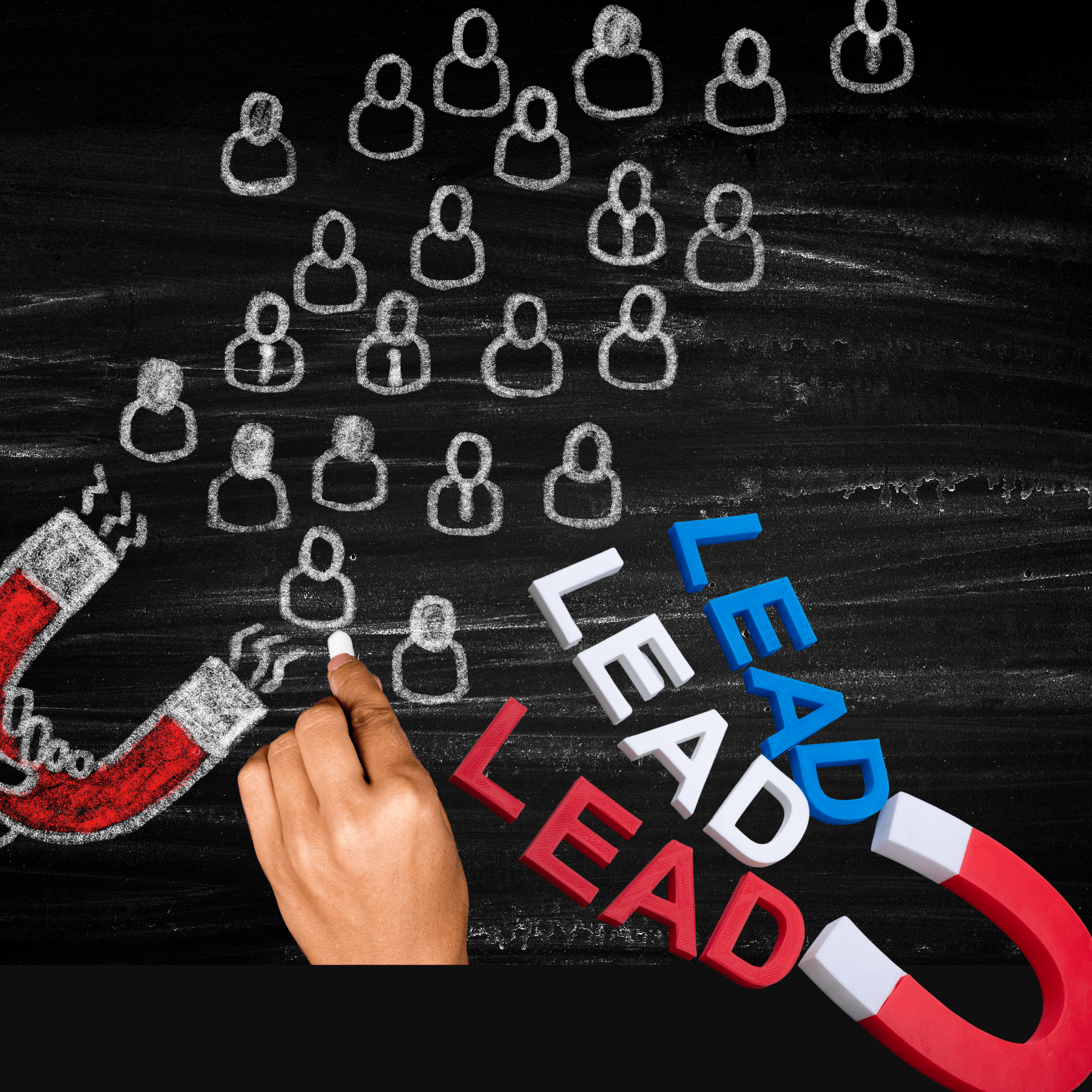
For a cleaning business, reviews are often the deciding factor. Customers comparing three companies will read reviews before they read anything else. A steady stream of recent, genuine reviews tells them you are reliable, trustworthy and good at what you do. A handful of old ones, or none at all, makes them hesitate.
The challenge is that happy customers rarely leave reviews unless asked, and busy owners rarely remember to ask. Software solves that. This guide explains how to build a steady flow of genuine reviews and use them well.
Why reviews matter so much
- Trust: customers are letting strangers into their homes and workplaces.
- Visibility: reviews on your Google Business Profile help you appear in local searches.
- Conversion: visitors who see strong reviews are more likely to enquire.
- Pricing: a strong reputation makes it easier to charge a fair price.
Step 1: Ask every happy customer, automatically
ProCleanerUK can send review requests automatically after a job, so every customer gets the chance to leave one without anyone needing to remember. Consistency matters more than any clever wording.
Step 2: Get the timing right
- One-off cleans: shortly after the job, while the result is fresh.
- Regular customers: after the first few cleans, once they have seen the consistency.
- After a compliment: if a customer praises the cleaner, that is the perfect moment.
- After a problem is resolved: customers whose complaint was handled well are often happy to say so.
Step 3: Make it easy
Keep the request short and personal, mention the cleaner by name if you can and include a direct link to where you want the review. Every extra click loses people.
Step 4: Deliver great service first
No software can create good reviews from poor service. Reliability, consistency and communication are what customers write about. Reminders, arrival times, the same cleaner, checklists and photos all feed into the reviews you receive.
Step 5: Reply to every review
- Positive reviews: a short, genuine thank you, mentioning the cleaner if possible.
- Negative reviews: a calm, polite reply that acknowledges the issue and invites them to get in touch. Resolve the details privately.
Future customers read your replies as closely as the reviews.
Step 6: Use reviews in your marketing
Landing pages built from your before and after photos include your best recent reviews alongside the photos and a quote form. Mention reviews on your website and in quotes. Share standout reviews with your team.
Step 7: Learn from feedback
Look for patterns. If several reviews praise punctuality, mention it in your marketing. If several mention the same problem, fix it. Reviews are free customer research.
Step 8: Recognise your cleaners
When a review names a cleaner, pass it on, share it in team chat and thank them. Cleaners who see their work recognised are more motivated to keep standards high, which leads to more good reviews.
Responding to reviews quickly
Aim to reply to every review within a day or two. Quick replies show customers, and anyone reading, that you are attentive. Check your review platform regularly, or set a weekly reminder, so none slip through.
What not to do
- Never write fake reviews or ask friends to pose as customers. It is dishonest and can breach platform rules and consumer law.
- Do not offer rewards for positive reviews only. Check the rules of the platform you use.
- Do not argue with reviewers in public.
- Do not ignore negative reviews and hope they go away.
- Do not copy and paste the same reply to every review. Customers notice.
Handling the occasional bad review
Even great companies get the odd poor review. Check the job record first, using clock-in times, the checklist and photos. Reply calmly. Put things right where you can. A steady flow of genuine good reviews puts one bad one in context. Our guide to bouncing back when things go wrong explains more.
Writing a good review request
The best review requests are short, warm and specific. A simple structure works well: thank the customer by name, mention the cleaner, say that reviews help a local business and give one direct link. For example: “Hi Sarah, thank you for choosing us. Anna loved cleaning your home today. If you were happy with the clean, a quick review would really help our small local business.” Avoid long messages, multiple links or pressure.
Where reviews should go
For most cleaning businesses, a Google Business Profile is the most important place for reviews, because it appears in local searches and maps. Choose one main platform and focus your requests there, rather than spreading customers across several sites. Over time, a strong profile on one platform carries more weight than a few reviews on many.
Reviews for commercial work
Commercial clients rarely leave public reviews, but they can still support your reputation. Ask satisfied clients for a short testimonial you can use with permission, or whether they would be willing to act as a reference for tenders. Evidence from site assessments and clock-in records can also be summarised, with permission, in case studies.
Turning reviews into a habit
The businesses with the strongest reputations treat reviews as part of the job, not a one-off campaign. Requests go out automatically, every review gets a reply within a day or two, praise is shared with the team each week and themes are discussed in team meetings. After a few months, the steady flow of genuine reviews becomes one of the business’s most valuable assets.
Reviews and your team’s pride
Reviews do more than win customers. A cleaner who reads a customer praising their work by name feels proud and valued. Sharing reviews in team chat each week, and mentioning them in one-to-ones, turns them into a source of motivation across the whole team.
Measuring your reputation
- Number of new reviews each month.
- Average rating.
- How recent your latest reviews are.
- Common themes in feedback.
- How quickly you reply to new reviews.
- Which cleaners are mentioned most often.
Build your reputation
Automatic review requests, landing pages with reviews, reminders, live journeys, checklists, photos and the shared inbox are included on every ProCleanerUK plan. Start your 28-day free trial and switch on review requests today, or book a free demo and we will show you how. For more tips, see our guides to getting good cleaning company reviews and building a strong online reputation.
FAQs
How do I get more reviews for my cleaning business?
Ask every happy customer automatically after a job, with a short, personal request and a direct link.
When should I ask for a review?
Shortly after one-off cleans, after the first few regular cleans or after a compliment.
Should I reply to every review?
Yes. Thank positive reviewers and reply calmly to negative ones.
Can I offer rewards for reviews?
Check the platform’s rules. Never offer rewards for positive reviews only, and never write fake reviews.
How do I use reviews in marketing?
Feature them on landing pages, your website and in quotes.