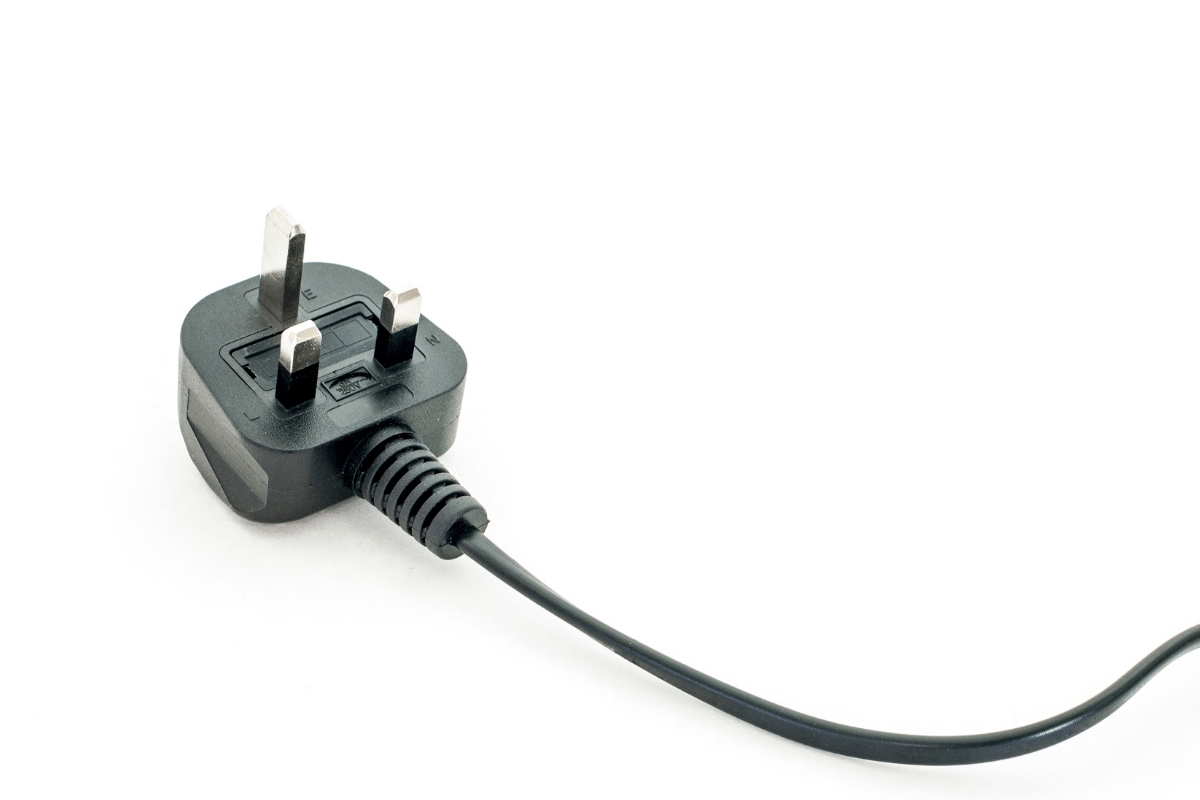
Your hoovers, floor scrubbers and carpet machines work harder than almost any other electrical kit in the UK. They get dragged up stairs, wound tight, thrown in vans and plugged in at a different site every day. That makes PAT testing for cleaning businesses more than a box-ticking exercise: a damaged cable on a vacuum is a real shock and fire risk for your staff and your clients.
The good news is that the rules are more sensible than most people think. This guide covers what the law actually says, how often your equipment should be checked, and the part most cleaning companies get wrong: keeping track of it all.
What PAT Testing Is (and What the Law Really Says)
PAT stands for portable appliance testing: checking that plug-in electrical equipment is safe to use. It covers three levels of check:
- User checks: your cleaner looks at the plug, cable and casing before switching on.
- Formal visual inspections: a trained person checks more thoroughly, often taking the plug cover off.
- Combined inspection and testing: the full PAT test, done with a proper tester by someone competent to use it.
Here’s the part that surprises people. According to the HSE, PAT testing itself is not a legal requirement, and there is no law saying it must be done every year. What the law does require, under the Electricity at Work Regulations 1989, is that electrical equipment that could cause injury is maintained in a safe condition.
In practice, regular checks and testing are how you prove you are doing that. If one of your cleaners gets a shock from a frayed hoover cable, “we didn’t have to test it” is not a defence. Records and PAT labels aren’t legally required either, but they’re the easiest way to show insurers, clients and inspectors that you take it seriously.
How Often Should Cleaning Equipment Be PAT Tested?
There’s no fixed legal interval. The HSE says frequency should depend on the type of equipment and how hard it’s used, and cleaning kit sits at the busy end of that scale. Its own example of a heavily used vacuum cleaner was a visual inspection every 6 months and a test after 12 months, then reviewed.
For most cleaning businesses, a sensible routine looks like this:
| Equipment | User check | Visual inspection | Combined test |
|---|---|---|---|
| Hoovers and vacuums used daily | Before every use | Every 6 months | Every 12 months |
| Floor scrubbers, polishers, carpet machines | Before every use | Every 6 months | Every 12 months |
| Office kit (laptops, chargers) | When used | Every 1 to 2 years | Only if damaged or high risk |
| Brand-new equipment | Before first use | At the next routine check | Not normally needed |
If an item gets dropped, soaked or damaged, take it out of use and get it checked straight away, whatever the date.
The Real Problem: Keeping Track of It All
Getting equipment tested is the easy part. Knowing what’s due, and where it is, is where most cleaning businesses come unstuck.
Your kit doesn’t sit in one place. One hoover lives in Sarah’s car, two floor machines stay in the van, and a polisher is kept on site at your biggest office contract. Add a dozen staff and a few hundred items, and that PAT spreadsheet is out of date the week after you made it.
The usual result is an expired test nobody noticed, until a client’s facilities manager or an insurer asks to see your records.
Track Every PAT Test Automatically with ProCleanerUK
ProCleanerUK is built for UK cleaning companies, and its Assets & Renewals page keeps your PAT records in one place:
- Assign kit to a person, a van or a site: every hoover and floor machine is logged against whoever or wherever has it, and moves with one click.
- PAT test date and expiry on every item: enter the test date and the expiry fills in 12 months later, which you can change.
- Colour-coded warnings: green when all is fine, amber when a test is due within 30 days, red when it has expired.
- A “PAT Due” filter: see everything that needs testing this month in seconds, ready to book in.
- Fleet view: each van shows how many items it carries and whether any PAT tests are due.
- Export to Excel: hand a full PAT record to a client or insurer in one download.
It sits alongside everything else you need to run your cleaning business: scheduling, staff clock-in, payroll, invoicing and customer messaging.
Start your 28-day free trial of ProCleanerUK today and never lose track of a PAT test again. Start your free trial
Frequently Asked Questions
Is PAT testing a legal requirement for cleaning businesses?
No. PAT testing itself isn’t a legal requirement, but the Electricity at Work Regulations 1989 require you to keep electrical equipment safe. Regular inspection and testing is the standard way to show you’re doing that.
How often should a vacuum cleaner be PAT tested?
There’s no fixed rule. For a heavily used commercial vacuum, a visual inspection every 6 months and a full test every 12 months is a sensible starting point, which matches the HSE’s own example.
Who can carry out PAT testing?
A trained member of staff can do user checks and visual inspections. Full combined testing needs someone with the right test equipment and the knowledge to use it and understand the results.
Does new equipment need PAT testing?
New equipment should be supplied safe and doesn’t normally need a test straight away. A quick visual check before first use is still a good idea.
Do I need to keep PAT testing records?
Records aren’t legally required, but they’re the easiest way to prove your equipment is maintained if a client, insurer or the HSE asks.
What happens if a PAT test fails?
Take the item out of use straight away, label it, and get it repaired or replaced. Never let staff carry on using it.
Can I track PAT tests for equipment kept in vans or at client sites?
Yes. With ProCleanerUK you can assign each item to a staff member, a van or a client site, and see every PAT expiry in one place. Try it free for 28 days.